Farmers in Nirmal district are increasingly voicing concerns over persistent irrigation challenges that are affecting agricultural productivity and livelihoods. As agriculture remains the primary source of income for a large portion of the district’s population, reliable water access is critical for sustaining crops and ensuring economic stability.
One of the key issues raised by farmers is the irregular supply of water from canals and reservoirs. Many agricultural lands depend heavily on seasonal rainfall, and in the absence of consistent irrigation infrastructure, farmers are left vulnerable to unpredictable weather patterns. Delays in water release and inadequate maintenance of irrigation canals have further intensified the problem.
Groundwater depletion is another growing concern in Nirmal district. Over-reliance on borewells, coupled with declining water tables, has made irrigation increasingly expensive and unsustainable. Small and marginal farmers are particularly affected, as they often lack the financial resources to invest in deeper drilling or advanced irrigation systems.
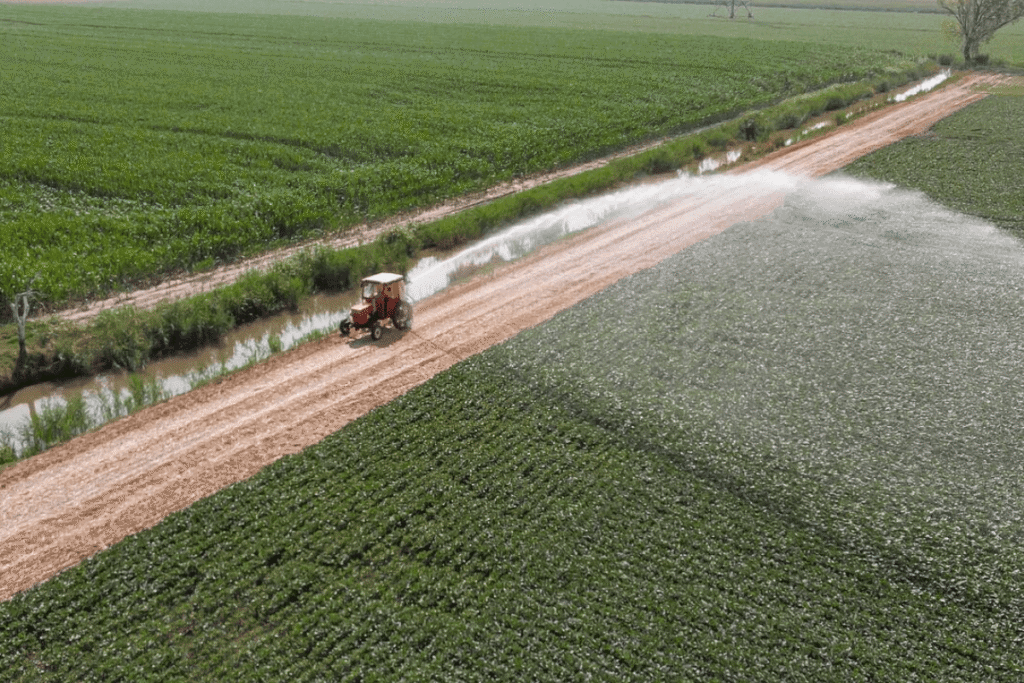
Farmers are urging local authorities to take immediate action by improving canal management, repairing existing irrigation networks, and ensuring equitable water distribution. There is also a strong demand for the expansion of government-backed irrigation projects and subsidies for modern techniques such as drip and sprinkler irrigation, which can help conserve water while maintaining crop yields.
In addition to infrastructure issues, farmers have highlighted the need for better coordination between irrigation departments and agricultural bodies. Timely information regarding water availability, weather forecasts, and crop planning can significantly help farmers make informed decisions.
Government initiatives have attempted to address some of these challenges, but farmers believe that more targeted and localized solutions are necessary. Regular monitoring, transparent water allocation systems, and community participation in irrigation management are seen as crucial steps toward resolving the crisis.
The situation in Nirmal district underscores the importance of sustainable water management in agriculture. Addressing irrigation concerns effectively will not only improve crop productivity but also enhance the long-term resilience of farming communities in the region.
Farmers in Nirmal district are increasingly voicing concerns over persistent irrigation challenges that are affecting agricultural productivity and livelihoods. As agriculture remains the primary source of income for a large portion of the district’s population, reliable water access is critical for sustaining crops and ensuring economic stability.
One of the key issues raised by farmers is the irregular supply of water from canals and reservoirs. Many agricultural lands depend heavily on seasonal rainfall, and in the absence of consistent irrigation infrastructure, farmers are left vulnerable to unpredictable weather patterns. Delays in water release and inadequate maintenance of irrigation canals have further intensified the problem.
Groundwater depletion is another growing concern in Nirmal district. Over-reliance on borewells, coupled with declining water tables, has made irrigation increasingly expensive and unsustainable. Small and marginal farmers are particularly affected, as they often lack the financial resources to invest in deeper drilling or advanced irrigation systems.
Farmers are urging local authorities to take immediate action by improving canal management, repairing existing irrigation networks, and ensuring equitable water distribution. There is also a strong demand for the expansion of government-backed irrigation projects and subsidies for modern techniques such as drip and sprinkler irrigation, which can help conserve water while maintaining crop yields.
In addition to infrastructure issues, farmers have highlighted the need for better coordination between irrigation departments and agricultural bodies. Timely information regarding water availability, weather forecasts, and crop planning can significantly help farmers make informed decisions.
Government initiatives have attempted to address some of these challenges, but farmers believe that more targeted and localized solutions are necessary. Regular monitoring, transparent water allocation systems, and community participation in irrigation management are seen as crucial steps toward resolving the crisis.
The situation in Nirmal district underscores the importance of sustainable water management in agriculture. Addressing irrigation concerns effectively will not only improve crop productivity but also enhance the long-term resilience of farming communities in the region.