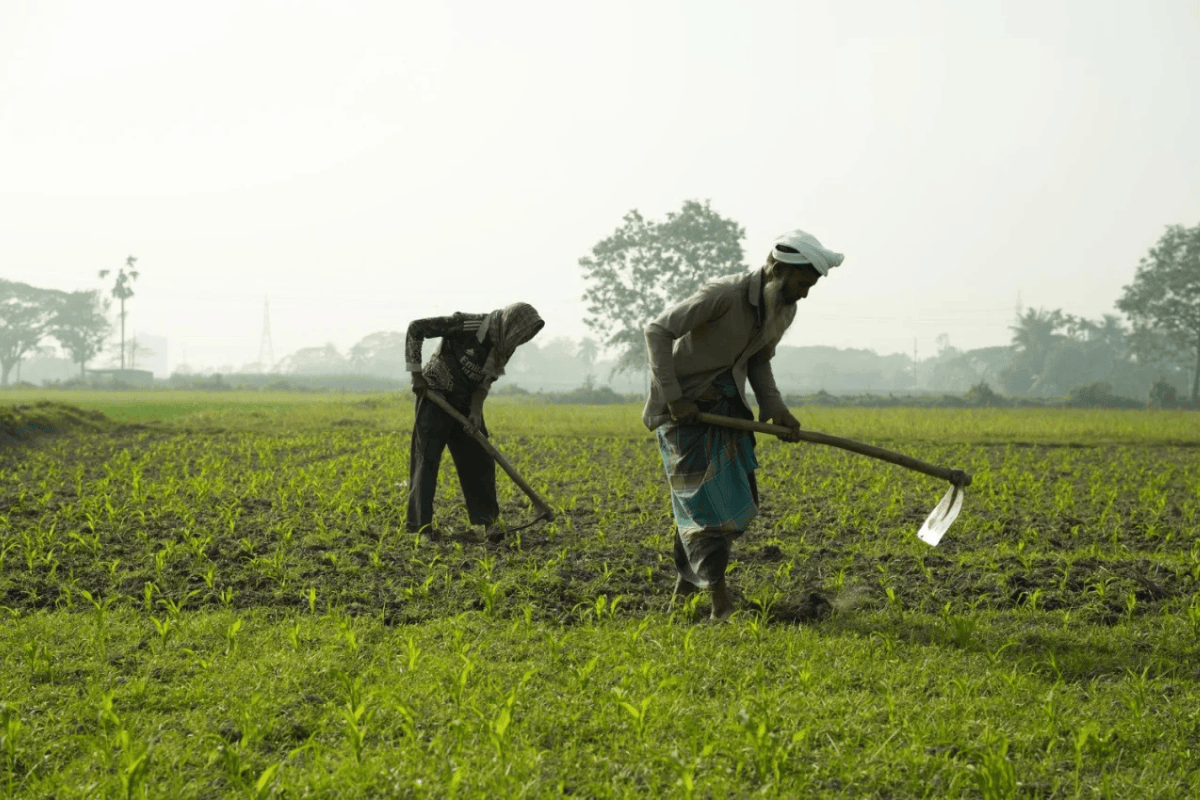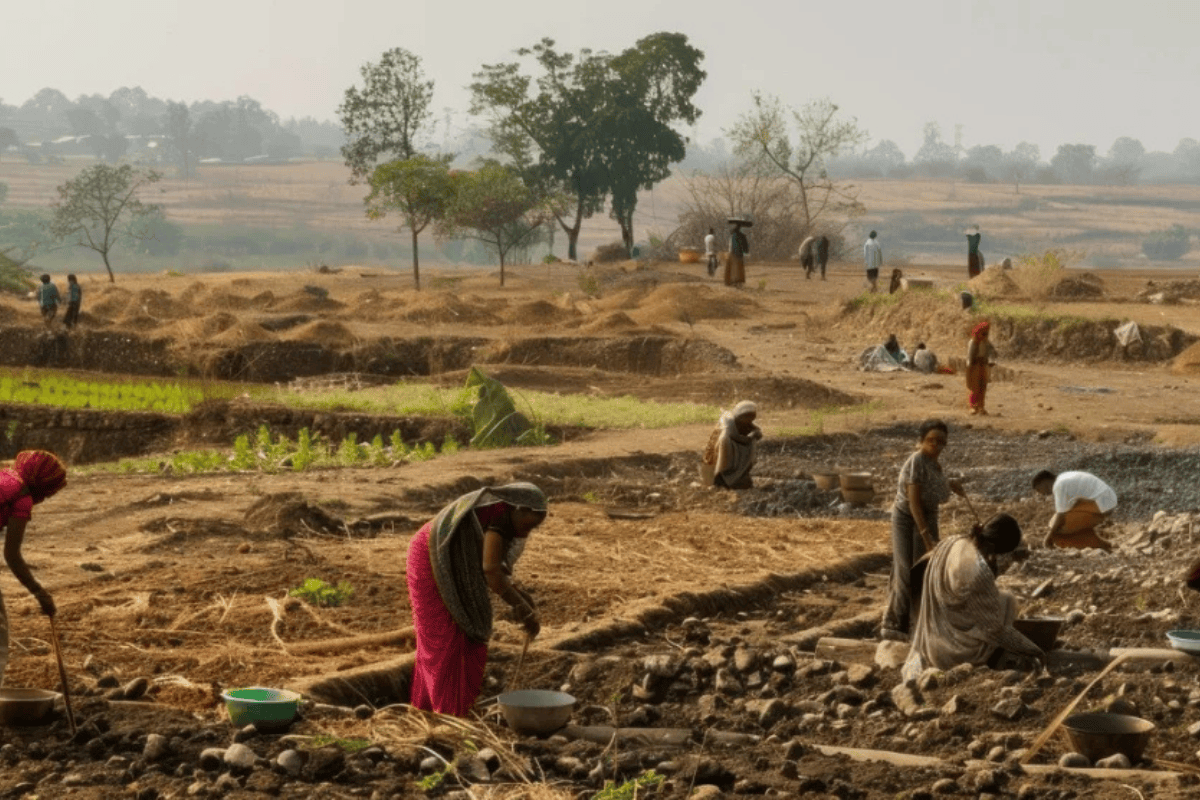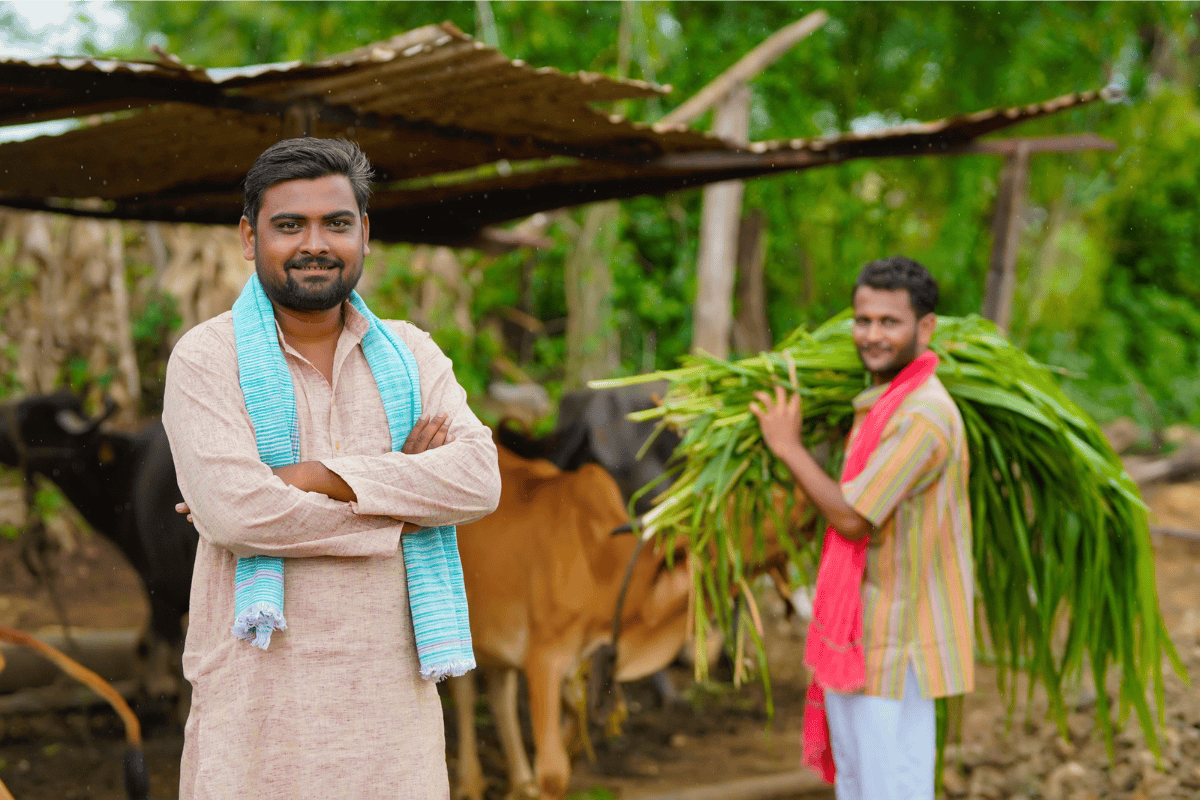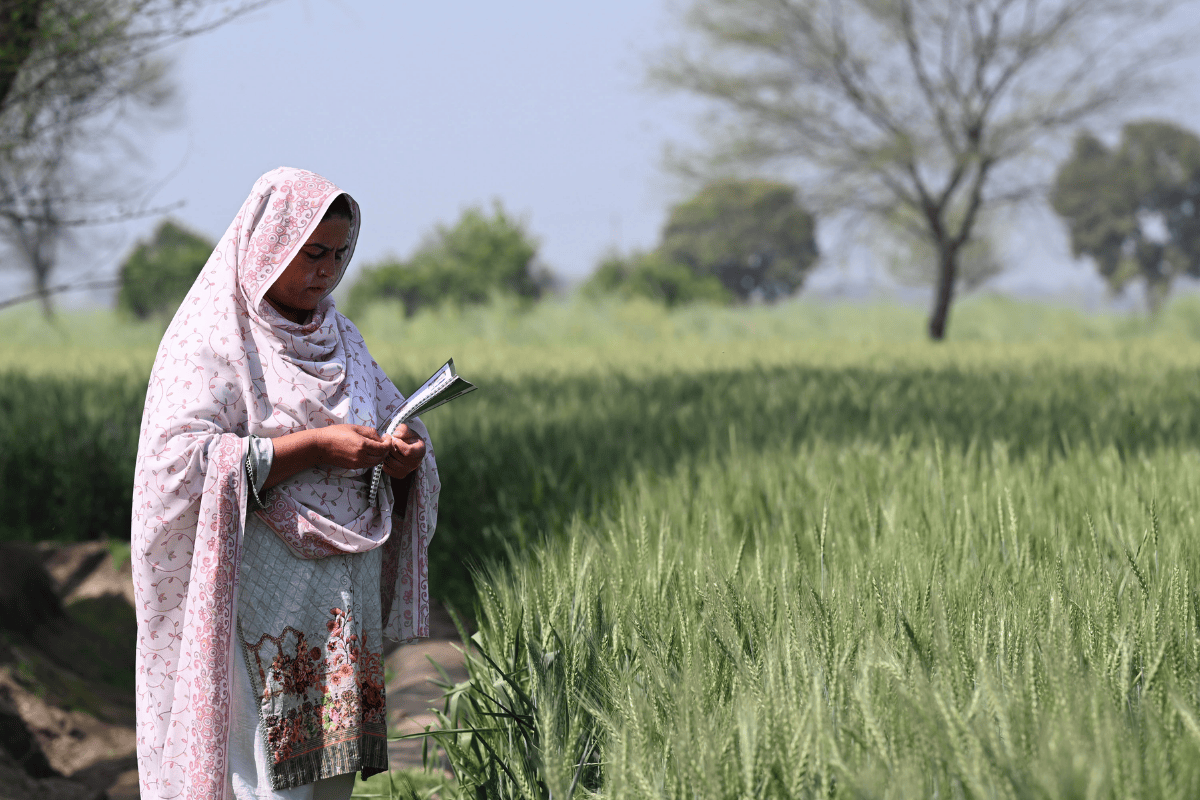
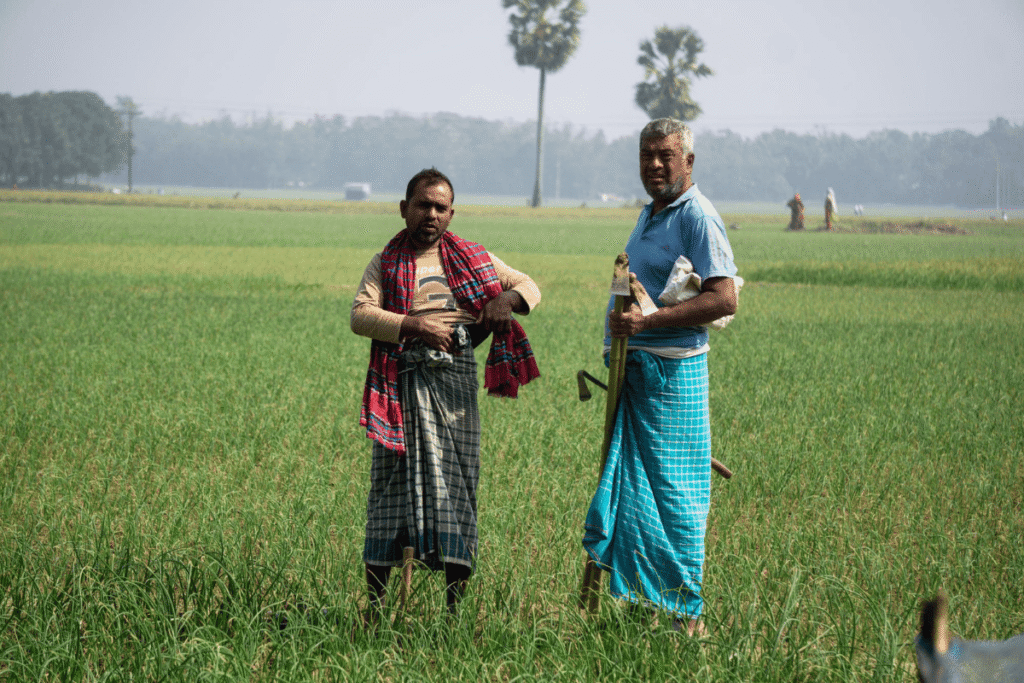
Effective governance remains the cornerstone of sustainable rural development, especially in a diverse and rapidly evolving nation like India. “Policy Talks: Governance & Rural Development” highlights the critical role that policy frameworks, administrative efficiency, and community participation play in transforming rural landscapes.
At the heart of rural development lies decentralized governance. Local bodies such as gram panchayats are responsible for implementing policies that directly affect everyday life—ranging from infrastructure and sanitation to education and healthcare. Strong governance at this level ensures that development initiatives are aligned with the actual needs of rural communities.
Policy discussions today are increasingly focused on improving the delivery and impact of key government programs. Initiatives like Mahatma Gandhi National Rural Employment Guarantee Act and Pradhan Mantri Awas Yojana have played a significant role in enhancing employment opportunities and housing conditions in rural areas. However, policymakers continue to examine ways to enhance transparency, reduce leakages, and ensure timely execution.
Infrastructure development is another key area of focus. Roads, electricity, digital connectivity, and irrigation systems are essential for enabling economic growth and improving quality of life. Policy reforms are increasingly emphasizing public-private partnerships and the integration of technology to accelerate development outcomes.
Equally important is the role of data-driven governance. The use of digital platforms for monitoring schemes, managing beneficiary databases, and facilitating direct benefit transfers has improved accountability. However, bridging the digital divide remains a challenge, particularly in remote rural regions.
Community participation has emerged as a central theme in governance discussions. Social audits, public consultations, and local stakeholder engagement are helping create more inclusive policies. When rural citizens are actively involved in decision-making, development becomes more targeted, transparent, and effective.
Despite progress, challenges such as bureaucratic delays, uneven resource distribution, and lack of awareness still hinder the full potential of rural policies. Strengthening institutional capacity, training local officials, and promoting awareness among citizens are crucial steps forward.
“Policy Talks: Governance & Rural Development” underscores the need for continuous dialogue, innovation, and accountability. By aligning governance structures with grassroots realities, India can ensure that rural development is not only rapid but also equitable and sustainable.