
Organized crime remains a persistent global issue, with networks expanding their operations across borders and diversifying into various illegal activities. From drug trafficking and human smuggling to money laundering and illegal arms trade, these criminal organizations operate with increasing sophistication.
Global enforcement bodies like United Nations Office on Drugs and Crime play a key role in monitoring and combating organized crime. Their reports indicate that criminal networks are leveraging globalization, technology, and weak regulatory systems to expand their reach.
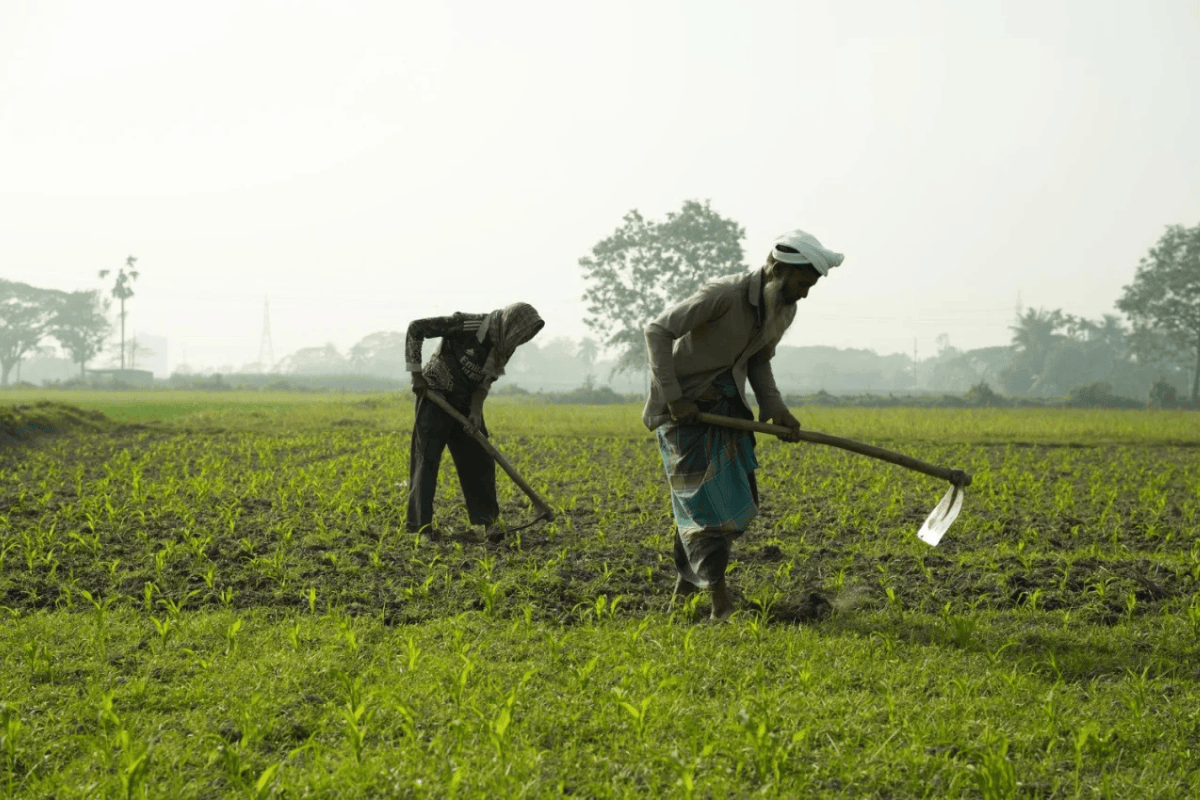
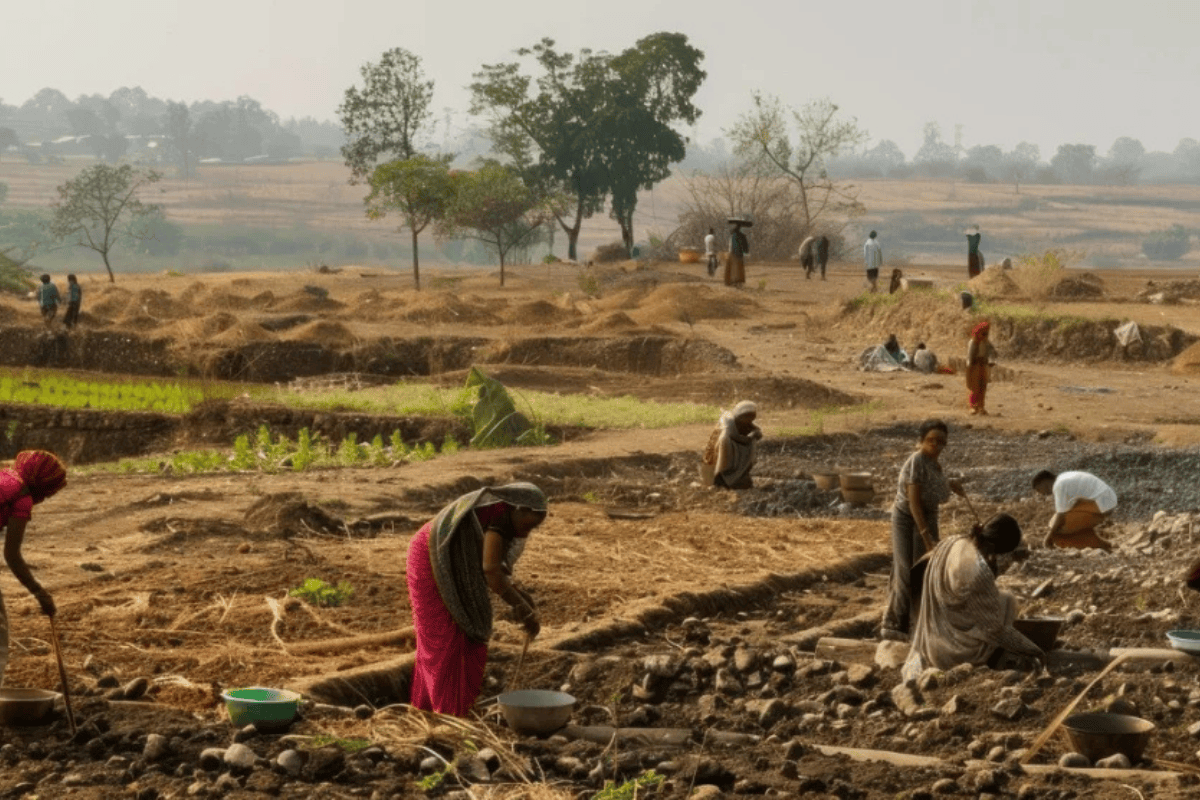
Human trafficking, in particular, has become a major concern, affecting millions worldwide. Vulnerable populations, including women and children, are often targeted and exploited for forced labor and other illegal activities. Governments and NGOs are intensifying efforts to prevent trafficking and support victims, but the scale of the problem remains significant.
Financial crimes, including money laundering, enable organized crime groups to legitimize their profits. The use of offshore accounts, shell companies, and digital currencies has made tracking illegal funds increasingly complex.
To counter these threats, countries are strengthening legal frameworks, enhancing border security, and increasing international cooperation. However, differences in legal systems and enforcement capabilities often hinder unified action.
Ultimately, tackling organized crime requires a comprehensive approach that combines law enforcement, policy reforms, economic development, and public awareness. Only through sustained global collaboration can these networks be effectively dismantled.